I'm going to guess something about your home bar. Somewhere in a cupboard, at room temperature, there's a bottle of vermouth that's been open since a dinner party you half-remember. You use a splash now and then for a Martini and wonder why your Martinis taste a little flat, a little sad. I have good news and bad news, and they're the same news: that vermouth is dead, and reviving your cocktails is as simple as understanding why.
The Word "Wine" Is the Whole Secret
Here's the fact that changes everything, and most people have never been told it.
Vermouth was popularized in Turin in the late 1700s - Antonio Benedetto Carpano is usually credited with the first commercial version around 1786. It's a fortified, aromatized wine: a base of wine, strengthened with a little neutral spirit, and infused with botanicals - herbs, roots, bark, and the wormwood (Wermut, in German) that gives it its name.
Read that again: it's wine. Aromatized, fortified, dressed up - but wine at its heart. And you already know how you treat an open bottle of wine. You don't leave it on a warm shelf for eight months and expect it to taste good.
Oxidation: The Slow, Silent Killer
The moment you pull the cork, oxygen gets to work. The same oxidation that turns an open bottle of wine dull and vinegary is happening in your vermouth - just slower, because the added spirit buys it some time. But not that much time.
What oxidation does:
- Flattens the bright, herbal, lifted aromatics that make vermouth taste alive.
- Dulls the fruit and lets a stewed, slightly stale note creep in.
- Robs the whole bottle of the freshness that's supposed to be its entire job.
Stored warm and open for months, vermouth doesn't go dramatically "bad" - it just quietly fades into a brown, lifeless ghost of itself, and it drags every drink it touches down with it.
What "Alive" Tastes Like - and Why It Matters in the Glass
Fresh vermouth is the lift in a cocktail. In a Martini, dry vermouth's crisp, herbal brightness is what keeps the gin from being a cold slap of pure alcohol. In a Manhattan or Negroni, sweet vermouth's jammy, spiced richness is the cushion the whole drink rests on.
When that vermouth is oxidized and flat, you lose the lift. The drink loses its top notes and goes one-dimensional - boozy and heavy with nothing dancing on top. People blame the gin, or the recipe, or their own palate. It's almost always the vermouth.
The Takeaway: Three Rules and a Drink
You don't need to buy anything fancy. You need to change one habit.
The Three Rules of Vermouth
- Refrigerate it the moment it's open. It's wine. Treat it like wine.
- Drink it within about a month or two of opening. Buy smaller bottles if you don't go through it fast.
- Smell it before you pour. Fresh vermouth smells bright and herbal; tired vermouth smells dull and stewed. Your nose knows.
And to prove how good fresh vermouth is on its own, skip the cocktail entirely and try the way bartenders actually drink it on a quiet shift:
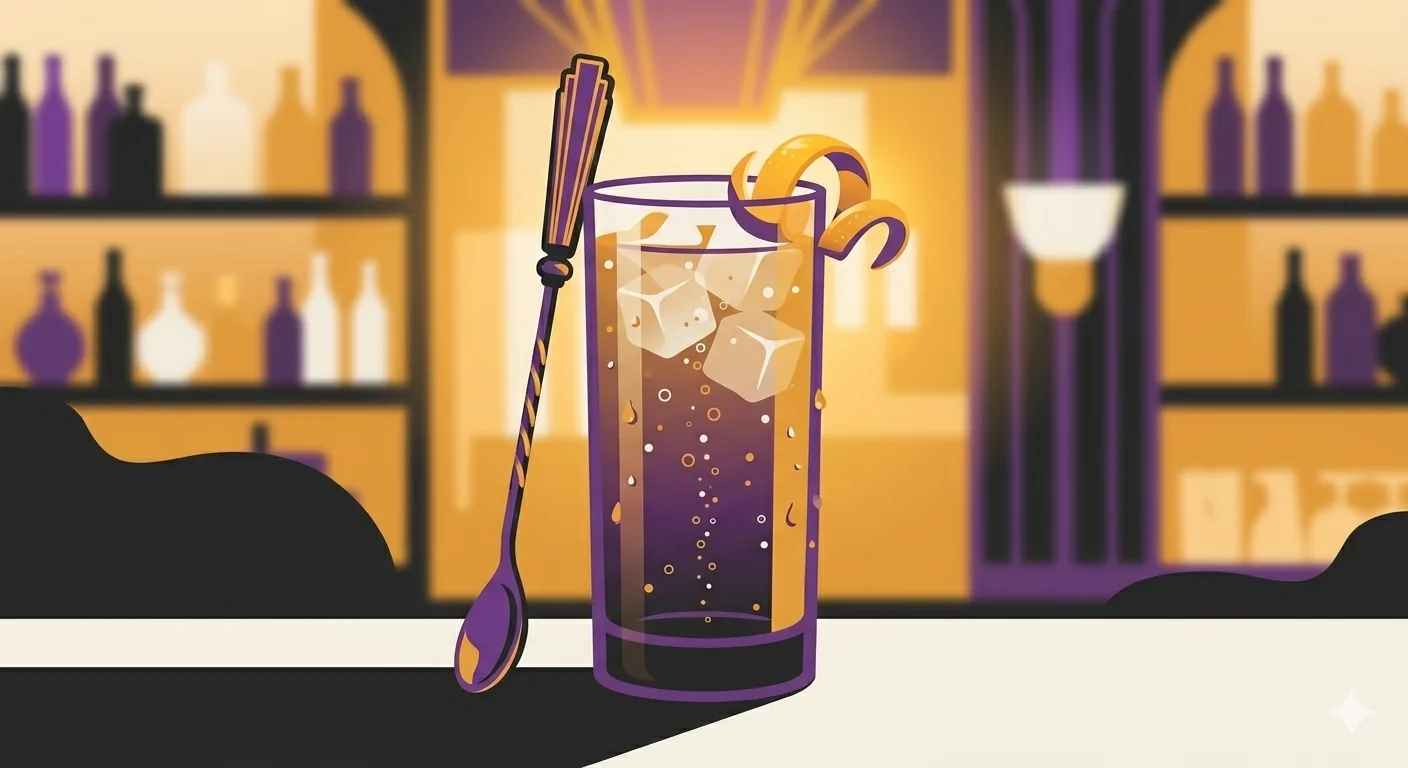
The Vermouth Highball (a.k.a. the bartender's break)
Ingredients
- 2 oz (60 ml) chilled vermouth - sweet or dry, your call
- Soda water to top (about 3–4 oz / 90–120 ml)
- Garnish: an orange or lemon twist, or an olive
Method
- Fill a tall glass with ice.
- Add the vermouth, then top with soda water.
- Give it one gentle stir to combine - no shaking needed, you don't want to knock the fizz out.
- Express and drop in a citrus twist.
It's low in alcohol, endlessly refreshing, and it'll show you exactly what your vermouth is supposed to taste like before it gets buried in a stronger drink.
One More Before You Go
Move that bottle to the fridge tonight and you've already made every future Martini better - no new skills, no new gear, just respecting the wine in the bottle. Pour yourself a vermouth soda, taste what fresh actually means, and you'll never store it on a warm shelf again. I'll be down here, mine on ice, whenever you fancy a chat.