A regular eased onto the stool last week, loosened his tie, and asked me for "a rum drink, something good." I like this person, so I'll be gentle: that is a bit like walking into a record shop and asking for "a song." I can absolutely help you. But rum is not one thing wearing one hat. It is the widest, wildest, least-regulated spirit on the back bar, and the word alone tells me almost nothing about what you actually want in the glass.
This is why the Daiquiri you made at home tasted thin, or why that tiki recipe came out like molasses soup. You did not do anything wrong. You just poured a rum that was built for a different job.
Why "Rum" Barely Tells You Anything
Here is what makes rum such a beautiful mess: it has almost no rules. Scotch must be made in Scotland, aged at least three years, from malted barley. Cognac has its region, its grapes, its double distillation. Tequila has a specific plant and a specific place. Rum has, well, sugar. That is more or less the whole entry requirement.
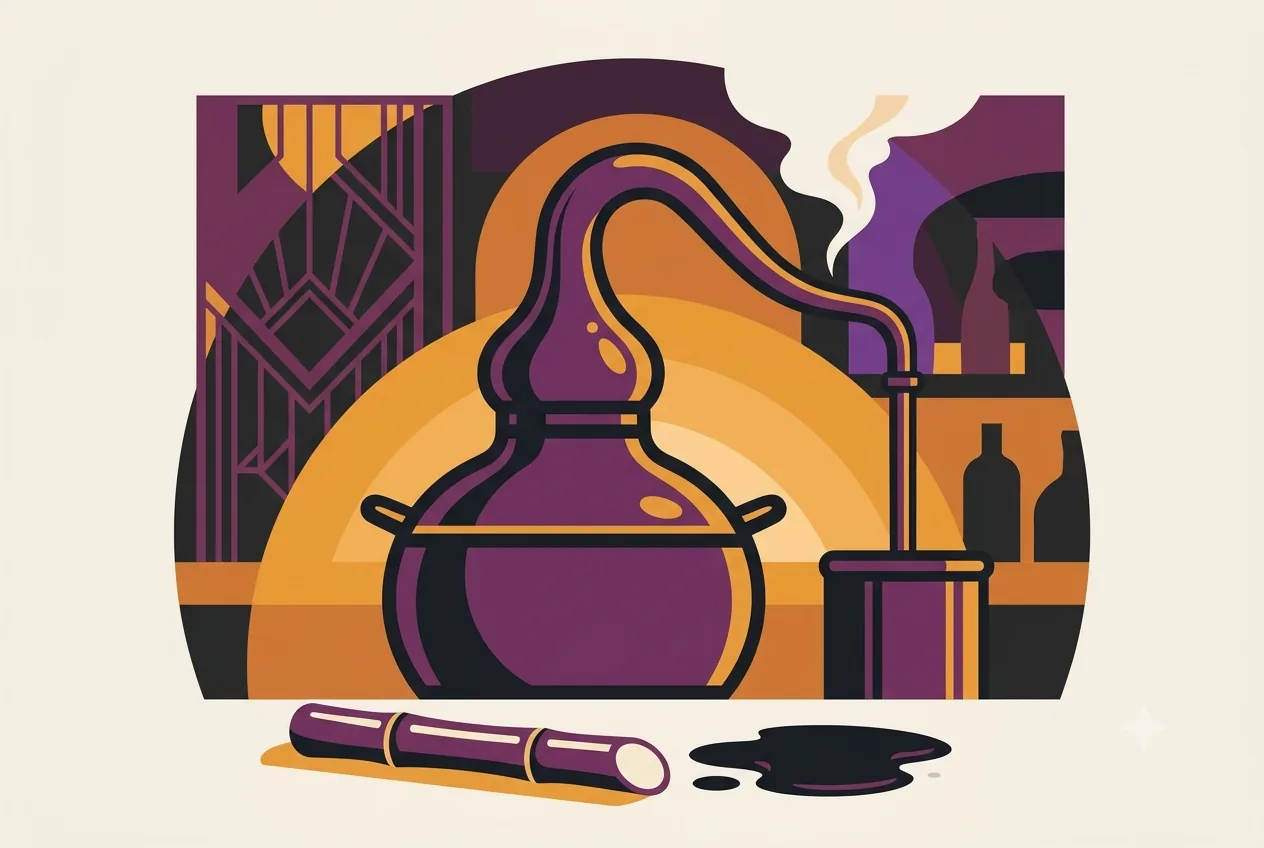
It started as an accident. When you boil sugarcane juice down to make sugar, you are left with molasses, a sticky, dark byproduct that early Caribbean plantations had piles of and little use for. Someone let it ferment, ran it through a still, and the rough result was born.
Early rum was fierce enough to earn the nickname "kill-devil" in the 1600s Caribbean, a long way from the smooth, oak-aged sippers we prize today.
The Two Forks in the Road
Two questions decide almost everything about a bottle of rum.
Fork one: what did it start as? Most rum is distilled from molasses, that sugar byproduct, which gives round, warm, dessert-like notes. But a smaller, prouder family is distilled from fresh-pressed sugarcane juice, mostly in the French Caribbean, and it is called rhum agricole. Fresh cane juice gives you something grassy, green, almost vegetal and alive.
Fork two: how was it distilled? A column still runs continuously and strips the spirit clean and light. A pot still works in batches and leaves behind big, oily, funky flavor compounds, the stuff bartenders affectionately call "funk" or hogo. Light column rum is a team player. Heavy pot-still rum is a soloist that wants to be heard.
Answer those two questions and you can predict a rum before it hits your tongue.
The Four Rums Worth Knowing
You do not need to memorize fifty labels. You need four mental buckets:
- White (or silver): Clean, light, faintly sweet. The mixing workhorse. Reach for it in a Daiquiri, Mojito, or Cuba Libre, where you want rum to lift rather than dominate.
- Gold or aged: Time in oak rounds it into vanilla, caramel, and baking spice. Sip it neat, or use it where you want body, like a rum Old Fashioned or a Mai Tai.
- Dark (or black): Deep molasses, treacle, coffee. Rich to the point of theatrical. The backbone of a Dark 'n' Stormy and the float on top of a tiki drink.
- Agricole: Grassy, funky, herbaceous, unmistakable. Made from fresh cane juice instead of molasses. The star of a Ti' Punch and the secret to a next-level Daiquiri.
The Three-Ingredient Truth Serum
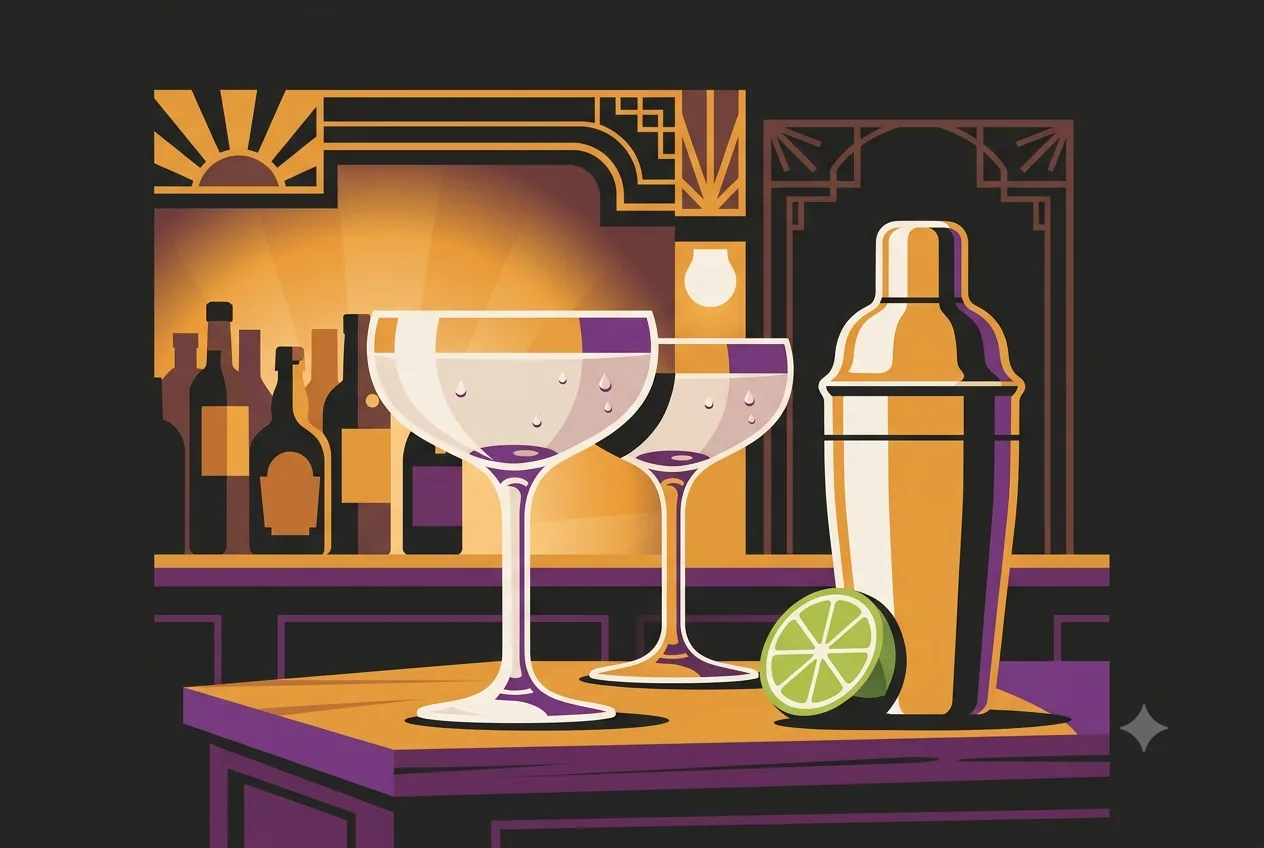
Want to taste all of this instead of taking my word for it? Make a Daiquiri. Not the frozen strawberry kind, the original three-ingredient classic. It is rum, lime, and sugar, and because the spirit has nowhere to hide, it is the single best diagnostic tool in the bar.
Here is the trick: make it twice. Once with a clean white rum, once with an agricole. Same recipe, same measurements. The white version comes out bright and easygoing. The agricole version tastes like someone opened a window onto a sugarcane field. Same drink, completely different postcard. That, in one glass, is the whole point of this article.
Ingredients
- 2 oz (60 ml) rum - white for the classic, agricole for the wild card
- 1 oz (30 ml) fresh lime juice
- 3/4 oz (22 ml) simple syrup (equal parts sugar and water)
Method
- Add the rum, lime juice, and simple syrup to a shaker.
- Fill with ice and shake hard for 10 to 15 seconds, until the shaker frosts over.
- Double-strain into a chilled coupe.
- Garnish with a lime wheel if you like, though it hardly needs one.
Now the assignment: pour a second round with the other rum and taste them back to back. Same three ingredients, two different worlds.
So the next time you reach for "a rum drink," pause and ask yourself which rum. Clean and bright, deep and brooding, or grassy and alive? The bottle you pick changes the whole story, and now you have the map to read it. Pull up a stool whenever you like, there is always another style to pour.